For a long time, Pune has been known as a balanced city. It provided the ideal mix of opportunities for career advancement in the IT and manufacturing industries, a mild climate, and, foremost, affordable housing. But over the past few years, there has been a dramatic shift. If you stroll along the roads of Hinjewadi, Baner, or Kharadi today, the skyline is different, as are the prices.
The Pune real estate market is undergoing a significant transformation. With the rising cost of property, the way people buy houses is shifting. From home dimensions to the areas people choose, rising prices have redrawn the map of housing demand in cities.
The Phenomenon of “Sticker Shock”
A major and often-discussed development in the local market is “sticker shock.” In the last few years, the cost of purchasing a home in Pune has increased significantly. This isn’t only because the cost per square foot has increased by around 40%, but also because the typical size of houses has grown.
When you combine higher-priced properties with larger apartment designs, the final cost (the “sticker price”) of a basic two- or three-bedroom apartment property has risen in popular areas like Baner or Balewadi. A 2 BHK property that was once affordable for the middle class is now typically priced at or above Rs 1.2 crore. The sudden rise has prompted some first-time home buyers to stop and reconsider their options.
The Rise of the Premium Buyer
Interestingly, even as sales in the lower-end segment slow, the luxury market is on the rise. There’s a clear “split” in the market. On the one hand, families seeking affordable basic homes are finding it harder to find them. On the other hand, wealthy buyers are moving towards higher-end, larger homes.
The demand for homes priced above 1 crore has more than tripled. This suggests an “aspirational” buyer, the person seeking a lifestyle change, and not simply the ability to have a roof over their heads, is leading the marketplace. They are seeking high-end gated communities with top-of-the-line amenities, including coworking areas, oxygen zones, and high-end security. They are willing to pay more for these amenities.
The IT Corridor Calibration
For a long time, the Eastern and Western Information Technology corridors were undisputed kings of Pune real estate. Regions such as Hinjewadi and Kharadi were flooded with technologists. But due to rising costs and a flurry of uncertainty about the global job market, these hubs are experiencing the beginning of a “recalibration.”
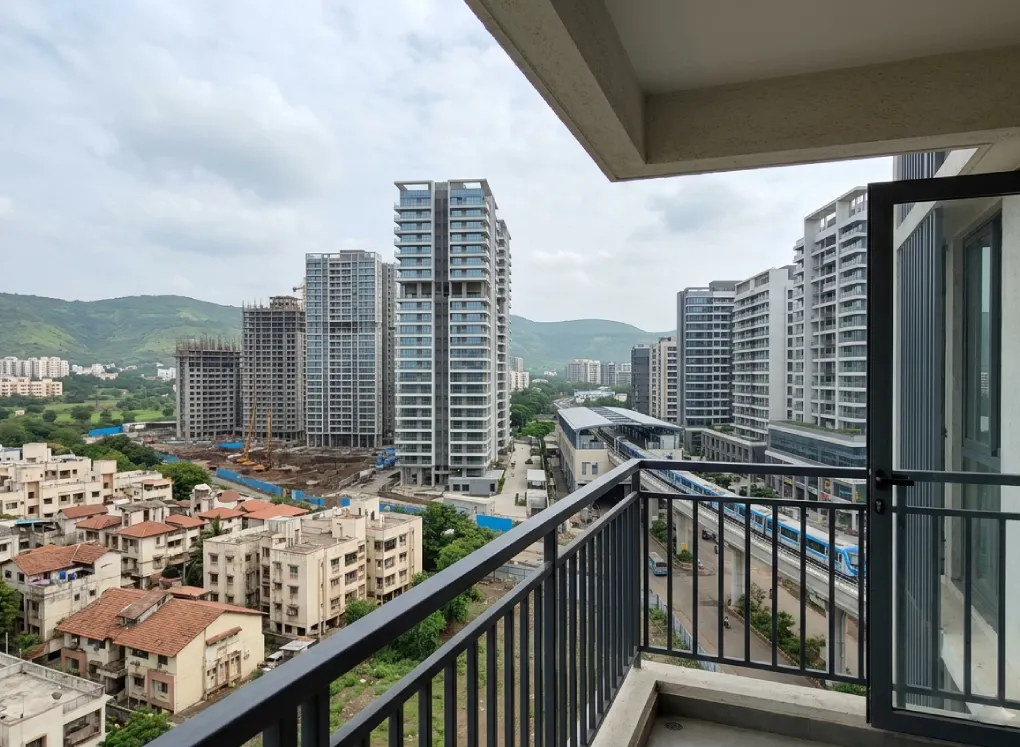
The buyers in these areas are becoming more cautious. Instead of rushing into pre-launch deals, they are focusing on “ready-to-move-in” homes or projects from developers with a track record of success. The price of housing in high-end areas is also driving some buyers to “emerging suburbs.” These are places that are farther away and provide better value for money, while connected to the latest Metro lines or the soon-to-be Ring Road.
How Developers are Responding
Real estate developers aren’t ignorant of these developments. To ensure that the market is moving, they are implementing new strategies:
- Compact Luxury: Some are designing “right-sized” homes. These homes are smaller in area, but they employ clever design and layout to make them feel larger. The price is reasonable, while the features are luxurious.
- The focus is on connectivity: With the expansion of the Pune Metro, developers are developing projects in areas once considered “too far.” Connectivity improvements make these pockets more appealing to daily commuters.
- Stability over Volume: Instead of creating hundreds of new projects, builders are focused on completing existing ones. This creates trust among cautious buyers who are hesitant about delays.
The Shift Toward Plotted Developments
Another intriguing trend resulting from rising apartment prices is the growing demand for land or “plotted developments.” Many homebuyers and investors believe that purchasing a plot of land will provide greater value over time and greater freedom than owning a condominium. The areas on the outskirts of town, like Bhugaon, and the south-facing corridors have seen an increase in interest in property investment, as people seek the “scarcity value” that apartments often lack.
What Does the Future Hold?
Pune’s housing market is not cooling off, but it is growing. Pune is shifting away from being a “budget-friendly” alternative to Mumbai and becoming a prestigious city in its own right.
For the typical homebuyer, the message is clear: the “wait and watch” strategy is risky. Even though prices have increased, the demand for good-quality housing remains high. As the city grows with infrastructure projects such as the airport and the Ring Road, the demand pattern will continue to shift towards the urban area’s outskirts, resulting in new growth hubs.
Shortly, Pune has become more than just a small town with flats and tranquil corners. It’s a bustling metropolis with a shift in demand towards quality, space, and value over time. No matter if you’re a novice buyer or a veteran investor, understanding these price patterns is crucial to making an informed decision in the market.
Disclaimer: This article is for informational purposes only and does not constitute financial or investment advice. Always consult with a professional real estate advisor before making any property purchase decisions.
Also Read: Why the Income Tax Dept is Scanning High-Value Property Deals.
Source: REAL TY+


Write Your Comment