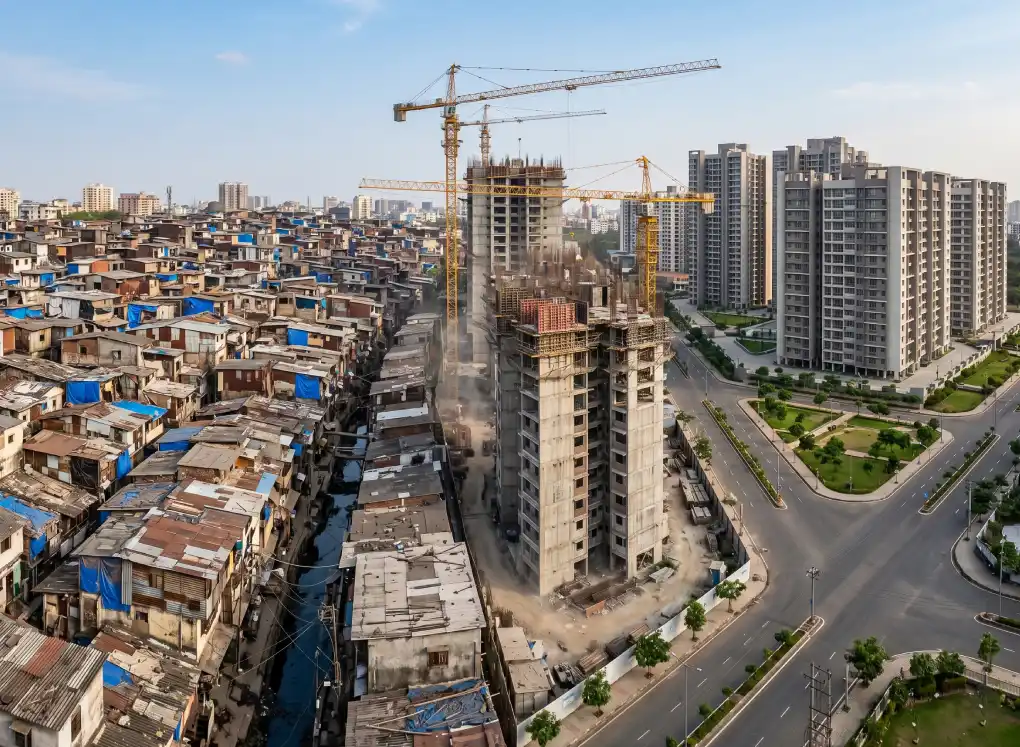
Mumbai can be described as a place of dreams, but it’s also a city with limited space. For a long time, the Dharavi region has been renowned worldwide for its dense population. A massive plan to transform the region’s appearance is gaining momentum. The main component of this transformation is the construction of 11,000 brand-new homes on land formerly owned by Indian Railways. This project marks the beginning of one of the largest urban renewal projects ever attempted.
What is the Dharavi Redevelopment Project?
The Role of Railway Land
What Will the New Homes Look Like?
Although the plans for the technical aspects are complex, the design of these homes is about quality of life. The new homes will be high-rises that allow the city to better utilize its vertical space.
Each home will offer:
-
Modern amenities: Residents will have access to clean bathrooms kitchens, bathrooms, and living spaces.
-
Infrastructure It includes construction of roads that are wider and drainage systems that are better to avoid flooding during monsoons, and green spaces for kids to play.
-
Safety Contemporary construction provides more fire protection and structural stability when compared with the more traditional, informal structures.
Economic and Social Impact
Mumbai can be described as a place of dreams, but it’s also a city with limited space. For a long time, the Dharavi region has been renowned worldwide for its dense population. A massive plan to transform the region’s appearance is gaining momentum. The main component of this transformation is the construction of 11,000 brand-new homes on land formerly owned by Indian Railways. This project marks the beginning of one of the largest urban renewal projects ever attempted.
What is the Dharavi Redevelopment Project?
The Role of Railway Land
What Will the New Homes Look Like?
Although the plans for the technical aspects are complex, the design of these homes is about quality of life. The new homes will be high-rises that allow the city to better utilize its vertical space.
Each home will offer:
-
Modern amenities: Residents will have access to clean bathrooms kitchens, bathrooms, and living spaces.
-
Infrastructure It includes construction of roads that are wider and drainage systems that are better to avoid flooding during monsoons, and green spaces for kids to play.
-
Safety Contemporary construction provides more fire protection and structural stability when compared with the more traditional, informal structures.
Economic and Social Impact
The Challenges Ahead
A Greener, More Organized Mumbai
The Dharavi redevelopment goes beyond than a mere housing development it’s a way to make Mumbai an environmentally sustainable city. By transforming a vast informal settlement to a planned urban zone that the city is able to more effectively manage its resources such as waste and water. This also allows areas for public parks as well as vital services such as schools and hospitals.
Conclusion
The beginning of construction for 11,000 houses on railway land is an important occasion for Mumbai. It is a pledge to the people of Dharavi that the best, most secure, and most comfortable future is on the way. While the entire transformation will be a long process, this first action shows that the vision of creating a “New Dharavi” is finally becoming a reality. As the first cranes are put up on the railway tracks, the city watches with hope for a more welcoming contemporary Mumbai.
Disclaimer: This article provides general information and does not constitute official project announcements or financial advice. Real estate projects are subject to government changes and timelines; please consult official authorities for updates.
Also Read: Steady Ground in Shifting Sands: The Strength of Dubai’s Property Market
Source: ET Reality

Write Your Comment